Ticks
Tick Season 2025: When Are Ticks Most Dangerous in Europe and the USA?
Tick activity peaks twice a year. Understanding the tick season calendar helps you protect your family at the right times.
Ticks Are Not Just a Summer Problem
One of the most dangerous misconceptions about ticks is that they are only active in summer. In reality, most tick species in Europe and North America have two distinct activity peaks per year — and the autumn peak is just as dangerous as the spring one, often more so because people let their guard down.
The Tick Season Calendar
Tick activity is governed primarily by temperature and humidity, not the calendar date. As a general guide for temperate regions:
- March–April: Ticks become active as temperatures rise above 4°C. Nymphs — the juvenile stage most responsible for Lyme disease transmission — begin emerging.
- April–June (Primary Peak): The most intense period of tick activity in most of Europe and the northern United States. Nymph populations are at their highest. This is when the risk of encountering an infected tick is greatest.
- July–August: Activity typically dips during the hottest, driest weeks, though it never stops entirely in wooded or shaded habitats.
- August–October (Secondary Peak): Adult ticks become highly active in autumn as they search for a final large blood meal before winter. Adult ticks are larger, easier to see — but also larger means more blood carrying more bacteria.
- November–February: Activity slows significantly, but ticks can remain active on mild winter days above 4°C. In the UK and much of maritime Europe, this means there is no truly safe month.
Geographical Differences: USA vs Europe
In the northeastern and upper midwestern United States, the black-legged tick (Ixodes scapularis) is the primary vector for Lyme disease. Tick season runs from April through September, with a pronounced peak in May–July when nymphs are active. In the Pacific Coast states, the western black-legged tick (Ixodes pacificus) extends activity into late autumn.
In central and northern Europe, the castor bean tick (Ixodes ricinus) is the dominant species. It is found from Ireland to Russia and is moving steadily northward. In Scandinavia and Scotland, where tick season was once limited to a few summer months, ticks are now active from February to November in warmer years.
Southern European countries — particularly France, Germany, Austria, Switzerland, and the Czech Republic — also carry a significant burden of Tick-Borne Encephalitis (TBE), a viral infection for which a vaccine is available and recommended for those in high-risk areas.
Climate Change Is Extending the Season
This is not alarmism — it is documented science. Studies published in the journals PLOS ONE and the Journal of Medical Entomology have tracked a clear northward and upward (in altitude) expansion of tick ranges over the past three decades. Milder winters mean fewer days below the 4°C threshold that suppresses tick activity. The practical result: families in regions that historically had a four-month tick season now face a seven- or eight-month season.
High-Risk Environments to Know
Ticks do not fly or jump. They wait on vegetation — a behaviour called "questing" — and latch onto passing animals or humans. The highest-risk environments are:
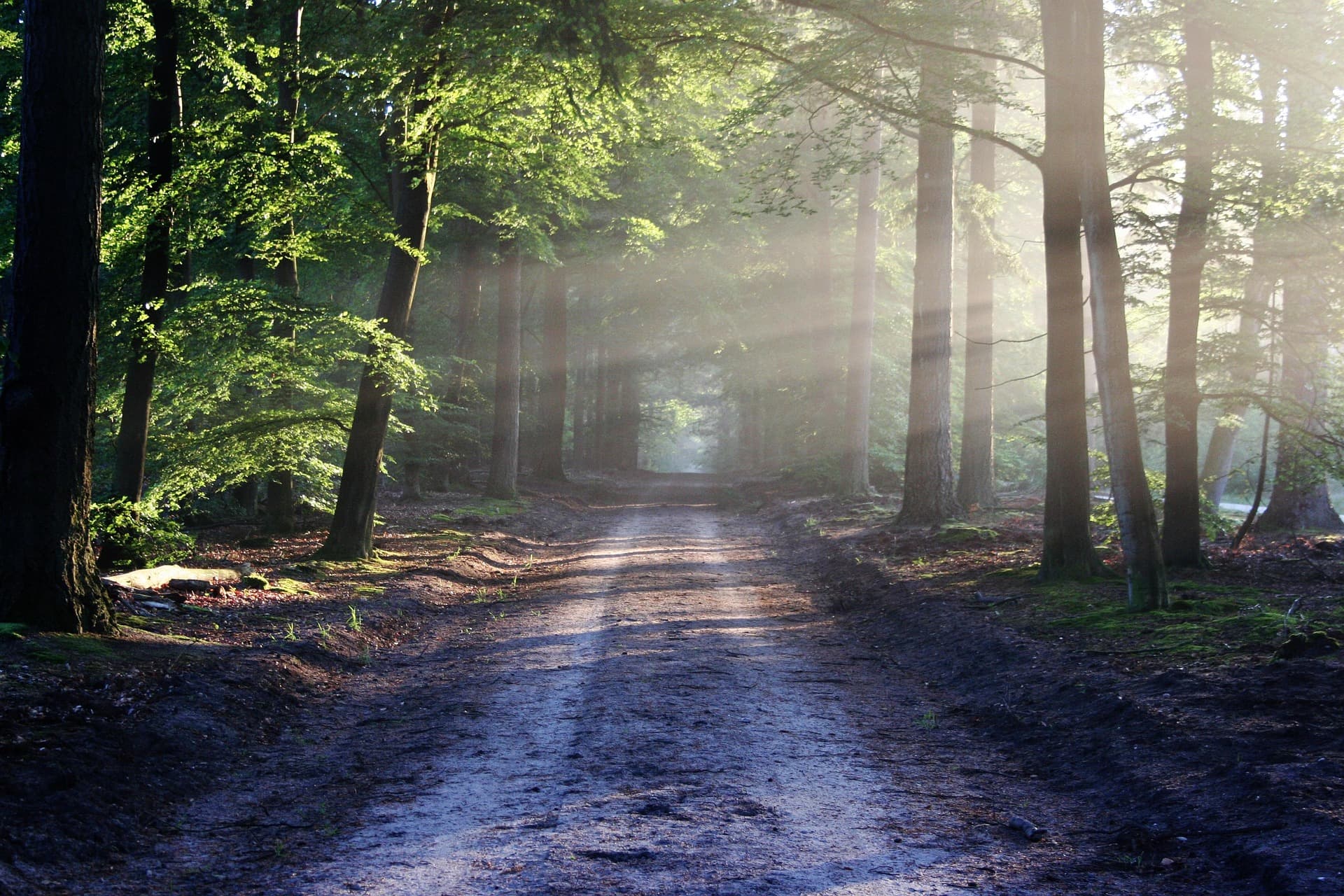
- Woodland edges and forest paths (where deer move through)
- Long grass, bracken, and scrubland
- Garden boundaries bordering fields or woodland
- Parks with established woodland areas
- Leaf litter piles and low shrubs
When Are Ticks Most Active During the Day?
Ticks are most active during dawn and dusk when humidity is higher, though they will quest throughout the day. They are least active at midday in hot, dry conditions. If you are planning outdoor time with children during peak tick season, morning and late afternoon carry the highest exposure risk. Conducting tick checks immediately after coming indoors — focusing on hairlines, behind ears, armpits, behind knees, and groin — should become a non-negotiable part of your family's routine from March through November.